Summary:
Why Tree Sprayer Calibration Matters More Than You Think
Most property owners assume all tree spraying is the same. Spray the tree, kill the pest, problem solved. But that approach can cost you more than money.
Without proper calibration, you might get too little chemical—leaving pests alive and your problem unsolved. Or too much chemical—wasting money, harming beneficial insects, and potentially damaging the very trees you’re trying to save. Professional calibration eliminates both risks. Professional calibration eliminates both risks while supporting healthier outdoor spaces often used for tick yard treatment and organic tick control.
The math is straightforward but critical. Every nozzle, pressure setting, and travel speed affects how much chemical reaches your trees and where it goes afterward.
The Hidden Costs of Improper Dosage Control
When tree sprayer calibration goes wrong, the consequences ripple through your entire property. Under-dosing means pests survive, reproduce, and return stronger than before. You’ll need repeat treatments, driving up costs and extending the time your trees remain vulnerable.
Over-dosing creates different problems. Excess chemicals can burn foliage, stress root systems, and harm beneficial insects that naturally control pest populations. You might solve one problem while creating three others.
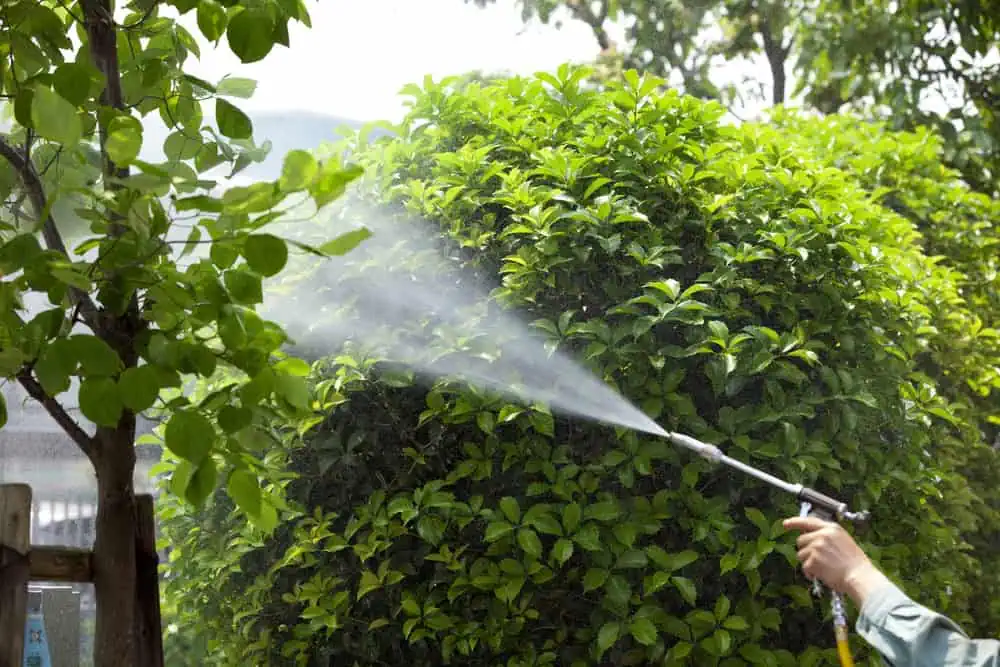
There’s also the drift factor. Improperly calibrated sprayers create fine droplets that travel beyond your target trees. These droplets can damage nearby plants, contaminate water features, or expose your family and pets to unnecessary chemicals. We address droplet size specifically to minimize this drift through professional calibration.
Suffolk County’s varying weather conditions make calibration even more critical. Wind patterns, humidity levels, and temperature swings all affect how chemicals behave once they leave the sprayer. We adjust for these factors, ensuring consistent results regardless of conditions.
The environmental impact extends beyond your property line. Over-application contributes to groundwater contamination and affects local ecosystems. Under-application leads to repeated treatments, multiplying environmental exposure over time.
How Professional Nozzle Selection Reduces Drift
When tree sprayer calibration goes wrong, the consequences ripple through your entire property. Under-dosing means pests survive, reproduce, and return stronger than before. You’ll need repeat treatments, driving up costs and extending the time your trees remain vulnerable.
Over-dosing creates different problems. Excess chemicals can burn foliage, stress root systems, and harm beneficial insects that naturally control pest populations. You might solve one problem while creating three others.
There’s also the drift factor. Improperly calibrated sprayers create fine droplets that travel beyond your target trees. These droplets can damage nearby plants, contaminate water features, or expose your family and pets to unnecessary chemicals. We address droplet size specifically to minimize this drift through professional calibration.
Suffolk County’s varying weather conditions make calibration even more critical. Wind patterns, humidity levels, and temperature swings all affect how chemicals behave once they leave the sprayer. We adjust for these factors, ensuring consistent results regardless of conditions.
The environmental impact extends beyond your property line. Over-application contributes to groundwater contamination and affects local ecosystems. Under-application leads to repeated treatments, multiplying environmental exposure over time.
Environmental Factors That Affect Spraying Success
Suffolk County’s climate presents unique challenges for tree spraying. Coastal winds, varying humidity, and rapid weather changes all influence how chemicals behave during and after application.
Temperature affects chemical absorption and effectiveness. Most treatments work best between 65°F and 85°F, but timing applications within this range requires careful planning. We monitor weather patterns to identify optimal application windows.
Wind speed and direction determine drift patterns and coverage uniformity. Applications should generally occur when winds are below 10 mph, but local conditions can create microclimates that require adjustments to this guideline.
Weather Timing and Application Windows
The best spray equipment means nothing if you apply treatments at the wrong time. Environmental conditions during application determine whether chemicals reach their targets effectively and stay where you put them.
Morning applications often provide ideal conditions. Temperatures are moderate, winds are typically calmer, and humidity levels help prevent rapid droplet evaporation. However, morning dew can dilute chemicals or cause runoff, requiring careful assessment before proceeding.
Evening applications avoid the heat stress of midday treatments but introduce other considerations. Temperature inversions can trap spray droplets near the ground, increasing drift risk to non-target areas. Professional timing accounts for these atmospheric conditions.
Humidity levels affect both chemical effectiveness and drift potential. High humidity can enhance absorption for some treatments while increasing the risk of fungal diseases. Low humidity causes rapid droplet evaporation, potentially reducing treatment effectiveness and increasing drift.
Precipitation timing is critical for treatment success. Rain within hours of application can wash chemicals away before they’re absorbed. Conversely, light moisture on leaf surfaces can improve uptake for certain treatments. We schedule applications to account for both current conditions and weather forecasts.
Suffolk County’s proximity to water bodies creates additional considerations. Sea breezes can develop quickly, changing wind patterns throughout the day. We monitor these local weather patterns to optimize timing and minimize environmental impact.
How We Calculate Precise Dosages
Professional dosage calculation goes far beyond reading label instructions. It requires understanding tree biology, chemical properties, environmental conditions, and application equipment capabilities.
The process starts with accurate tree measurement. Canopy volume, leaf density, and tree health all influence how much chemical is needed for effective treatment. A stressed tree may require adjusted dosages to account for reduced uptake capacity.
Calibration testing ensures equipment delivers the calculated amount. This involves measuring actual output under field conditions, not just relying on manufacturer specifications. Pressure variations, nozzle wear, and equipment age all affect delivery rates.
Chemical concentration must match both the target pest and application method. Contact insecticides require different coverage patterns than systemic treatments. Fungicides need thorough leaf coverage while growth regulators may require root zone application.
We maintain detailed records of application rates, weather conditions, and treatment outcomes. This data helps refine future applications and demonstrates regulatory compliance. It also provides valuable feedback for adjusting techniques based on real-world results.
The goal is applying the minimum effective dose. This approach reduces environmental impact, minimizes cost, and decreases the risk of developing chemical resistance in target pests. It requires more skill and knowledge than simply following maximum label rates, but delivers better long-term results.
Professional Calibration Delivers Long-Term Tree Health
When you choose professional tree sprayer calibration, you’re investing in precision that pays dividends for years. Proper dosage control means treatments work the first time, reducing the need for repeat applications and minimizing chemical exposure to your property.
Your trees get exactly what they need to recover and thrive. Your family and pets stay safe from unnecessary chemical exposure. Your landscape investment maintains its value and beauty.
Professional calibration isn’t just about the equipment—it’s about the expertise behind it. For certified tree sprayer calibration services in Suffolk County, contact Jones Tree and Plant Care to protect your landscape investment with scientific precision.