Summary:
The Real Cost of Tree Removal in Suffolk County
Tree removal costs in Suffolk County typically range from $500 to $3,000, but that’s just the beginning. Large trees over 60 feet can exceed $2,500, and trees larger than 80 feet often require cranes and cost at least $15 per foot.
Stump removal adds another layer of expense, as it’s typically not included in basic tree removal pricing. We often handle permits for around $250, with permit fees ranging from $25 for residential to $150 for commercial properties.
The hidden costs hurt even more. Suffolk County municipalities can fine property owners up to $10,000 for improper tree removal without required permits. Most insurance policies cover tree removal only when trees damage covered structures, not preventive removal of dead or dangerous trees.
What Drives These Massive Removal Costs
The Emerald Ash Borer exemplifies how quickly costs can spiral—most infested ash trees die within 2-4 years, and EAB has destroyed hundreds of millions of trees since 2002. This invasive pest was first confirmed in Suffolk County, spreading through infested firewood and human activity.
When trees become damaged beyond repair—whether from storms, insects, or age—they must be removed before presenting safety risks. In Michigan, the first state infested with EAB, the greatest economic impact came from communities forced to remove thousands of dead ash trees from streets and yards.
Tree removal costs vary based on size, urban density, dangers involved, and crew requirements. Factors like proximity to power lines, accessibility, and trunk diameter all impact pricing. Tree size remains the primary cost factor, with smaller trees under 30 feet ranging from $150-$500, while giants over 80 feet reach $1,500-$3,000.
Suffolk County’s dense suburban environment compounds these challenges. Professional removal requires careful planning to avoid damage to nearby structures, vehicles, and landscapes. Safe techniques include segmentation and controlled cutting to minimize risks and protect surrounding property.
The Property Value Impact of Tree Loss
The Emerald Ash Borer exemplifies how quickly costs can spiral—most infested ash trees die within 2-4 years, and EAB has destroyed hundreds of millions of trees since 2002. This invasive pest was first confirmed in Suffolk County, spreading through infested firewood and human activity.
When trees become damaged beyond repair—whether from storms, insects, or age—they must be removed before presenting safety risks. In Michigan, the first state infested with EAB, the greatest economic impact came from communities forced to remove thousands of dead ash trees from streets and yards.
Tree removal costs vary based on size, urban density, dangers involved, and crew requirements. Factors like proximity to power lines, accessibility, and trunk diameter all impact pricing. Tree size remains the primary cost factor, with smaller trees under 30 feet ranging from $150-$500, while giants over 80 feet reach $1,500-$3,000.
Suffolk County’s dense suburban environment compounds these challenges. Professional removal requires careful planning to avoid damage to nearby structures, vehicles, and landscapes. Safe techniques include segmentation and controlled cutting to minimize risks and protect surrounding property.
Plant Health Care: Your Insurance Policy Against Massive Costs
Plant health care represents an integrated approach to nurturing and maintaining plant health, focusing on proactive treatment strategies that enhance natural environments. This proactive approach ensures potential issues are addressed before they become major problems, saving time and money.
By addressing nutrient deficiency, disease prevention, and pest control, our plant health care services ensure greenery remains robust year-round through tailored solutions including soil analysis, root management, and seasonal fertilization programs. Enhanced plant health leads to more robust gardens, increased property value, and reduced need for chemical interventions.
The cost comparison is striking. Typical lawn maintenance costs around $140 per project for mowing, trimming, pesticide treatment, aeration, and fertilization, while homeowners can expect a 104% ROI on landscape maintenance, with healthy lawns providing 217% ROI.
Preventing Invasive Pest Damage Through Proactive Care
The Emerald Ash Borer, accidentally transported from Asia, has killed millions of ash trees and cost billions in damage due to lack of natural predators. EAB females lay eggs on ash bark, with larvae creating S-shaped galleries as they feed on living tissue between bark and sapwood.
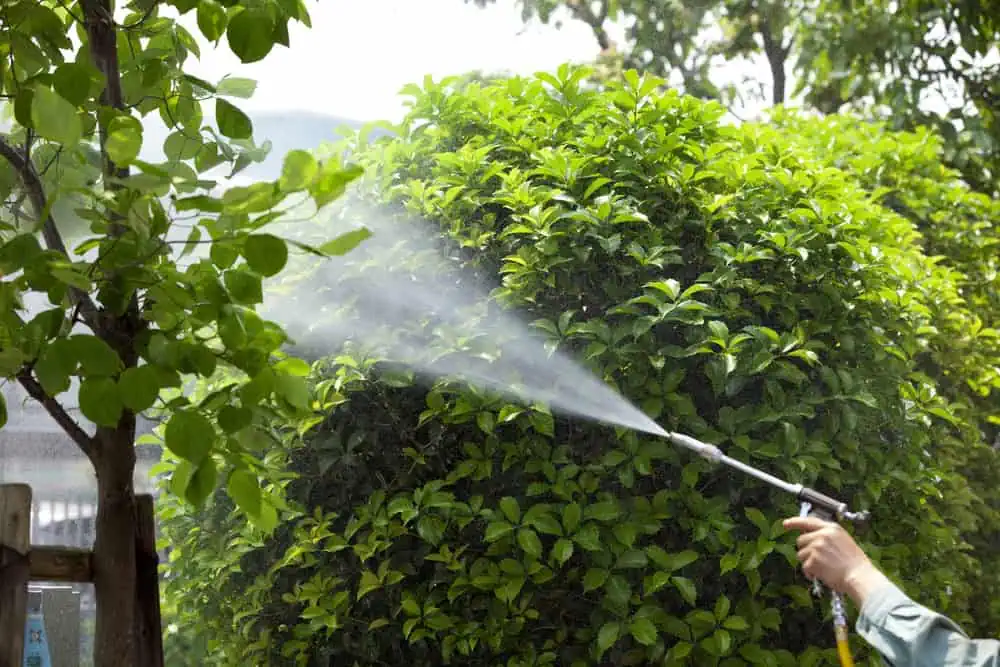
While EAB is difficult to detect before extensive damage occurs, property owners can protect valued ash trees with appropriate pesticides. We provide treatment options and serve as resources for ash tree treatment decisions.
Suffolk County faces numerous pest threats including gypsy moths, aphids, eastern tent caterpillars, bark beetles, and webworm moths that feed on foliage and bark, reproduce rapidly, and cause extensive damage. Early detection and rapid response to high-impact invasive species represents the highest priority for forest health programs.
Our plant health care programs can reduce chemical usage by up to 90% over traditional treatment programs while protecting the environment. We leverage Integrated Pest Management using current information, methods, and products to manage insects and diseases effectively. Our organic programs advocate safe, healthy property management using least toxic practices that protect families, pets, wildlife, and the environment.
The Long-Term ROI of Professional Plant Health Care
According to the National Association of Realtors, professionally designed landscapes can increase property value by up to 20%. Smart landscape design can provide 200-400% return on investment, with landscape economists noting that proper maintenance contributes up to 28% of a home’s overall value.
Investing in our professional plant health care brings numerous landscape benefits. Our services promote biodiversity, improve soil health, and create more sustainable environments. Regular maintenance by our certified arborists significantly extends tree life and health while improving property beauty and value, with properly maintained trees being less likely to cause property damage and more resistant to diseases and pests.
Years of experience serving Suffolk County allows us to understand local ecosystems and unique challenges. This expertise enables accurate problem diagnosis and implementation of effective, environmentally friendly solutions that enhance health and aesthetic appeal.
Simple landscape maintenance like replacing mulch, pruning shrubs, removing dead vegetation, and weeding can drastically impact curb appeal and increase home value by up to 7%. Plantings represent one of the few improvements that continue adding value over time as trees and shrubs mature.
The financial protection extends beyond aesthetics. Strategic tree placement reduces heating needs, with carefully placed trees saving up to 25% of typical household energy usage. Well-designed patios offer 102% return on investment and represent highly desired features for potential buyers.
Making the Smart Financial Choice for Your Suffolk County Property
The numbers don’t lie. Emergency tree removal costs $500-$3,000 per tree, while annual maintenance programs cost around $140 per project. With invasive pests like EAB killing trees within 2-4 years, the question isn’t whether you can afford plant health care—it’s whether you can afford to skip it.
Our proactive plant health care addresses potential issues before they become major problems, saving both time and money. The return on investment speaks for itself: 104% ROI on landscape maintenance with healthy lawns providing 217% returns. Professional landscape care can increase property values by up to 20%.
For Suffolk County homeowners serious about protecting their property investment, partnering with Jones Tree and Plant Care means accessing certified expertise, proven results, and the peace of mind that comes from proactive protection rather than reactive crisis management.