
Reclaim Your Backyard: Why Professional Goose Removal Is Essential for a Clean Landscape
Goose droppings, damaged lawns, and aggressive birds—if you're dealing with Canada geese in Suffolk County, you're not alone. Here's what actually works.
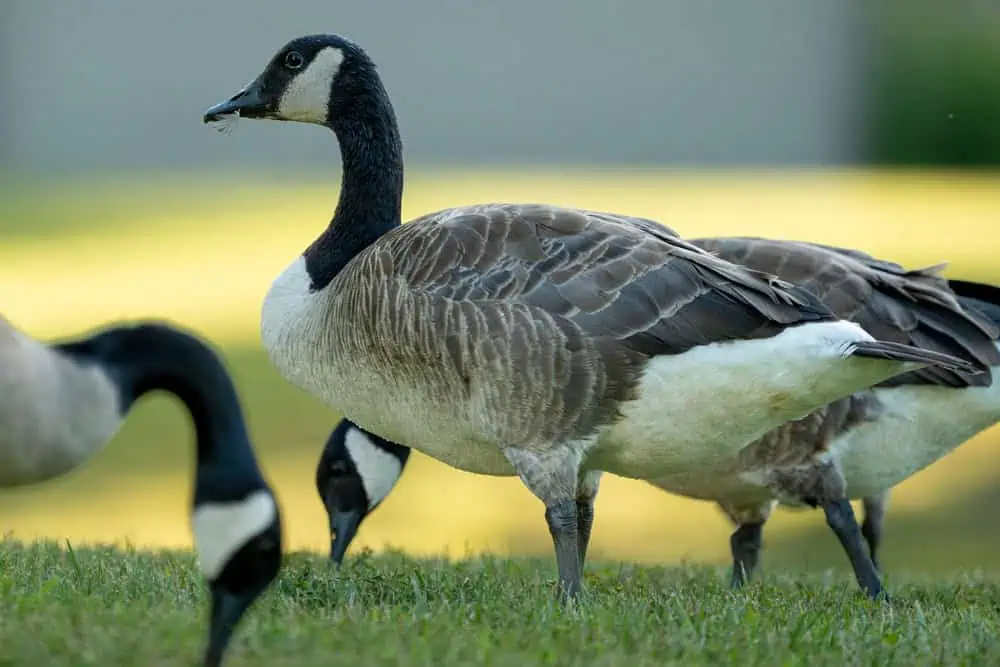
You’ve probably noticed them. A dozen Canada geese grazing on your lawn. Droppings everywhere. The constant honking. Maybe you’ve tried the fake owl or the motion-activated sprinkler, and they’re still there.
Here’s the reality: once geese decide your property is safe, they come back. Every year. They nest, they molt, and they treat your yard like their personal buffet. That’s not just annoying—it’s a health risk and a property value problem.
This isn’t about hating geese. It’s about reclaiming your space using methods that actually work, done by people who understand both the birds and Suffolk County’s unique conditions. Let’s start with what you’re really dealing with.
What Makes Canada Geese Such a Problem in Suffolk County
Suffolk County has everything geese want. Water everywhere—ponds, lakes, bays along both shores. Wide-open lawns that are easy to graze. Mild winters compared to their natural range. It’s goose paradise, which is exactly the problem for property owners.
These aren’t migratory birds passing through anymore. Most Canada geese in Suffolk County are resident geese—they stay year-round. They’ve adapted to living near humans, and they’ve lost their fear of us. That means they’re comfortable nesting in your shrubs, grazing your lawn down to dirt, and defending their territory aggressively if you get too close during nesting season.
An adult goose produces between one and three pounds of droppings per day. Multiply that by a flock of ten or twenty birds, and you’re looking at 20 to 60 pounds of feces on your property daily. It’s not just unsightly. It’s a legitimate sanitation issue, and it gets worse the longer they stay.

Why Geese Keep Coming Back to the Same Properties
Canada geese are creatures of habit. Once they successfully nest somewhere, they imprint on that location. They return to the same area every spring to nest again. They’re also monogamous—they mate for life and can live up to 35 years. That’s three decades of the same pair coming back to your property if you don’t intervene.
During nesting season, which runs from March through June, geese become territorial. They’ll hiss, charge, and even bite if they feel their nest is threatened. It’s not aggression for the sake of it—they’re protecting their young. But that doesn’t make it any less dangerous, especially if you have kids or pets.
After the eggs hatch, you’re stuck with the family for another 70 to 90 days. Goslings can’t fly until they develop their first set of flight feathers, and it’s illegal to harm or relocate them during this time. The parents go through a molting period where they also can’t fly, rendering the entire family flightless and stuck on your property for weeks.
This is why early intervention matters. Once a nest hatches, your options shrink dramatically. You’re either living with a goose family for most of the summer, or you’re dealing with them before they lay eggs. Most property owners don’t realize this until it’s too late.
Geese also prefer properties with certain features. Short grass that’s easy to graze. Clear sightlines so they can spot predators. Close proximity to water for safety. If your property checks those boxes, you’re on their radar. They’ll test it, and if nothing scares them off, they’ll settle in. That’s where professional goose control becomes necessary.
The Health Risks You're Actually Dealing With
Goose droppings aren’t just gross—they carry bacteria and parasites that can make you sick. E. coli, salmonella, campylobacter, cryptosporidium, and giardia have all been found in Canada goose feces. Some of these can cause serious gastrointestinal illness, especially in children, elderly people, and anyone with a compromised immune system.
Studies have found E. coli in up to 94% of goose droppings during warm months. While not all strains are dangerous, the pathogenic ones can cause anything from diarrhea and vomiting to urinary tract infections and respiratory illness. Kids are at highest risk because they play directly on the ground where droppings accumulate.
There’s also the issue of dried feces becoming airborne. When droppings dry out and get disturbed—by wind, mowing, or foot traffic—particles can become airborne and inhaled. That’s a respiratory risk that most people don’t think about until they’re dealing with chronic sinus issues or allergic reactions.
If you have a pond or lake on your property, geese are contaminating that water source. Their droppings introduce bacteria that degrade water quality, create algae blooms, and threaten fish and other wildlife. It’s not just your problem—it affects the entire local ecosystem.
The Migratory Bird Treaty Act protects Canada geese, which means you can’t just trap or harm them without proper permits. That’s why professional goose removal services exist. We know how to work within the law while still solving your problem. We understand goose behavior, seasonal patterns, and which deterrent methods actually work versus which ones are a waste of money.
Property owners often underestimate how persistent geese are. Scarecrows, fake predators, reflective tape, noise makers—geese figure out these tricks within days. They’re intelligent birds, and they learn fast. What you need is a systematic approach that combines habitat modification, humane harassment techniques, and ongoing monitoring. That’s not a DIY project. It requires expertise and consistency.
Want live answers?
Connect with a Jones Tree & Plant Care expert for fast, friendly support.
How Professional Goose Removal Actually Works
Professional goose control isn’t about one magic solution. It’s a process that starts with understanding your specific property and the geese using it. A certified specialist will assess how many geese you’re dealing with, where they’re nesting, what’s attracting them, and what time of year you’re in. All of that determines the approach.
The most effective method, endorsed by the Humane Society, involves trained herding dogs—typically Border Collies or Australian Shepherds. These dogs resemble natural predators like wolves and coyotes, and their presence triggers the geese’s instinct to flee. The dogs don’t harm the geese. They simply chase them off repeatedly until the geese decide your property isn’t safe anymore.
This isn’t a one-time visit. It requires daily patrols, sometimes multiple times per day, until the geese are conditioned to avoid your property. The frequency depends on how established the flock is and whether they’ve already nested. For new geese just testing your property, a few weeks might be enough. For long-term residents, it could take months of consistent pressure.

What Happens During the Initial Assessment
The first step is a property evaluation. A goose control specialist will walk your property to identify attractants—things that make geese feel safe and comfortable. That includes water sources, mowed grass, clear sightlines, and existing nesting sites. We’ll also look for signs of how long geese have been using the property and whether there are active nests.
If it’s early spring and nests are being built but eggs haven’t been laid yet, that’s ideal timing. Nesting materials can be removed immediately to discourage geese from laying eggs. Once eggs are in the nest, removal becomes more complicated and requires permits. If eggs have already been laid, we may recommend egg addling—a process where eggs are shaken or coated with oil to prevent them from hatching. The mother goose continues sitting on the eggs, unaware they’re no longer viable, and eventually abandons the nest.
Timing matters more than most people realize. If you wait until goslings have hatched, you’re legally required to let them stay until they can fly. That’s 70 to 90 days of a goose family living on your property with no option for removal. The window for intervention is narrow, which is why property owners who’ve dealt with geese before start calling in February or March—before nesting season begins.
The assessment also includes discussing your goals and constraints. Do you have dogs that might interfere with herding dogs? Are there areas of your property you want to prioritize? How much ongoing maintenance are you willing to commit to? Professional goose control is customized, not one-size-fits-all. We’ll build a plan that fits your situation and your budget.
Habitat modification is often part of the plan. That might mean letting grass grow taller in certain areas, planting shrubs that block sightlines, installing low fencing around water features, or using visual and auditory deterrents in strategic locations. The goal is to make your property less appealing so geese choose to go elsewhere. Combined with active hazing from trained dogs, habitat modification creates long-term results.
Why Border Collies and Trained Dogs Are the Gold Standard
There’s a reason trained herding dogs are the industry standard for goose control—they work. Geese are hardwired to fear predators that resemble wolves, coyotes, and foxes. Border Collies and Australian Shepherds have the right build, movement patterns, and instincts to trigger that fear response. When a trained dog approaches, geese don’t see a pet. They see a threat.
The dogs are trained specifically not to harm the geese. They chase, herd, and intimidate, but they never catch or injure the birds. It’s psychological pressure, not physical danger. The geese experience stress, realize the property isn’t safe, and leave to find a location where they won’t be harassed. Over time, they stop returning.
Handlers play a critical role. A well-trained dog without a skilled handler won’t be effective. The handler knows when to deploy the dog, how to read goose behavior, and how to adjust tactics based on the season and flock size. During molting season, when geese can’t fly, handlers use different techniques than they would during migration periods. It’s not just about releasing a dog and hoping for the best.
Some companies patrol properties seven days a week, multiple times per day, until the geese are gone. That level of consistency is what breaks the geese’s attachment to your property. If they’re only chased off once or twice, they’ll come back. If they’re chased off every single time they land, they’ll eventually give up and move on. It’s a war of attrition, and consistency wins.
This method also has the advantage of being humane, legal, and environmentally friendly. No chemicals, no traps, no lethal measures. It’s approved by wildlife agencies and animal welfare organizations. For property owners who care about doing things the right way, trained dogs check every box. They’re effective, ethical, and sustainable.
You can’t replicate this on your own. Even if you have a Border Collie, it’s not trained for goose work. It doesn’t know how to herd without harming, how to apply the right amount of pressure, or when to back off. Professional handlers spend years developing these skills, and their dogs go through extensive training. It’s a specialized service for a reason.
Protecting Your Suffolk County Property from Geese Year-Round
Removing geese is only half the battle. Keeping them away requires ongoing prevention. That’s where most DIY efforts fail—they focus on the immediate problem without addressing why geese were attracted in the first place. Professional goose control includes a maintenance plan to ensure geese don’t return next season.
Habitat modification is your long-term defense. Letting grass grow taller near water, planting dense vegetation that blocks easy access, and removing food sources all make your property less appealing. Geese prefer short grass they can graze easily and wide-open areas where they can see predators coming. Disrupt that, and they’ll choose a different property.
If you’re dealing with geese in Suffolk County, you’re not alone. The combination of waterfront property, mild winters, and abundant green space makes this area prime goose habitat. But you don’t have to live with the mess, the health risks, or the aggressive behavior. Professional goose removal works when it’s done right—with the right methods, the right timing, and the right expertise. We’ve been managing goose problems across Suffolk County using humane techniques that respect both the birds and your property. If you’re ready to reclaim your yard, it starts with understanding what’s happening on your property and what it’ll take to fix it for good.
Summary:
Table of Contents


Article details:
- Published by:
- Published to:
- Last modified:
- May 11, 2026
Share: