
Summary:
Understanding Suffolk County's Tick and Mosquito Challenge
Suffolk County sits at the epicenter of Long Island’s tick and mosquito problem. Recent Columbia University research shows that 56% of ticks in our area carry Lyme disease, with Suffolk County alone reporting approximately 500 confirmed cases each year.
The numbers tell a sobering story. Estimates suggest the actual case count could be significantly higher when unreported infections are considered. Your chances of encountering an infected tick after any outdoor activity exceed 50/50.
Our climate creates perfect conditions for these pests year-round. Tick season now extends from March through November, with mosquito activity lasting from late spring through early fall. This extended season means traditional one-time treatments fall short of providing adequate protection.
Why Chemical Approaches Fall Short for Long-Term Control
Many homeowners searching for “mosquito and tick control near me” turn to chemical pest control expecting immediate results. While synthetic pesticides can provide quick knockdown of visible pests, they create several long-term problems that actually work against your goals.
Chemical treatments kill indiscriminately. They eliminate beneficial insects like bees, butterflies, and natural pest predators that help maintain ecological balance in your yard. When you remove these helpful species, you’re left more vulnerable to future infestations.
The effectiveness is temporary and shortsighted. Chemical residues break down quickly, especially after rain, requiring frequent reapplication. Each treatment exposes your family and pets to potentially harmful compounds while providing diminishing returns over time.
Pest resistance develops with repeated chemical exposure. Mosquitoes and ticks adapt to synthetic pesticides, requiring stronger formulations or more frequent applications to achieve the same results. This creates an escalating cycle that becomes both expensive and environmentally damaging.
Perhaps most concerning, chemical treatments can contaminate groundwater and affect drinking water supplies. They persist in soil and can accumulate in the food chain, creating risks that extend far beyond your immediate property.
Our professional experience shows that homeowners who rely solely on chemical treatments often find themselves trapped in a cycle of reapplication without achieving lasting control.
The Science Behind Organic Mosquito and Tick Control
Many homeowners searching for “mosquito and tick control near me” turn to chemical pest control expecting immediate results. While synthetic pesticides can provide quick knockdown of visible pests, they create several long-term problems that actually work against your goals.
Chemical treatments kill indiscriminately. They eliminate beneficial insects like bees, butterflies, and natural pest predators that help maintain ecological balance in your yard. When you remove these helpful species, you’re left more vulnerable to future infestations.
The effectiveness is temporary and shortsighted. Chemical residues break down quickly, especially after rain, requiring frequent reapplication. Each treatment exposes your family and pets to potentially harmful compounds while providing diminishing returns over time.
Pest resistance develops with repeated chemical exposure. Mosquitoes and ticks adapt to synthetic pesticides, requiring stronger formulations or more frequent applications to achieve the same results. This creates an escalating cycle that becomes both expensive and environmentally damaging.
Perhaps most concerning, chemical treatments can contaminate groundwater and affect drinking water supplies. They persist in soil and can accumulate in the food chain, creating risks that extend far beyond your immediate property.
Our professional experience shows that homeowners who rely solely on chemical treatments often find themselves trapped in a cycle of reapplication without achieving lasting control.
Professional Mosquito and Tick Control Services Near Me
Effective organic tick and mosquito control requires strategic timing and application techniques that most homeowners can’t achieve with DIY approaches. We understand pest biology and environmental factors that determine treatment success.
Application timing makes the difference between marginal results and comprehensive protection. Treatments begin in April before tick nymphs become active and continue through November when adult ticks remain a threat. This extended schedule addresses all life stages and prevents population establishment rather than just controlling visible adults.
Coverage area and technique matter significantly. Our professional applications target specific microenvironments where pests breed and shelter: under decks, around shrubs, along fence lines, and in shaded areas where humidity remains high. Simply spraying visible lawn areas misses the critical habitat zones where pest populations actually develop.
Targeting Pest Breeding and Shelter Areas
Successful organic control focuses on pest biology rather than just visible adult populations. Understanding where ticks and mosquitoes actually live and reproduce allows for targeted applications that disrupt their life cycles at the most vulnerable stages.
Tick habitat centers around dense, shaded areas with leaf litter and organic debris. These locations provide the humidity and protection that ticks require for survival between host encounters. Our professional treatments concentrate on these microenvironments: the transition zones between lawn and wooded areas, under low-hanging branches, around stone walls, and in mulched garden beds.
Mosquito breeding sites are often overlooked by homeowners focusing on adult control. Female mosquitoes require standing water for egg laying, but they don’t need much – even a bottle cap’s worth of water can support a breeding cycle. Our professional inspections identify and treat these sites: clogged gutters, plant saucers, decorative water features, and areas where irrigation creates temporary pools.
The organic approach treats both the pests and their environment. Cedar oil applications create residual barriers that continue working for weeks after treatment, while also improving soil conditions for beneficial insects that prey on pest larvae. This dual action provides both immediate control and long-term prevention.
Timing applications to pest life cycles maximizes effectiveness. Early spring treatments target overwintering adults before they can reproduce. Mid-season applications disrupt nymph development when ticks are most active and dangerous. Late season treatments prevent overwintering survival and reduce next year’s population pressure.
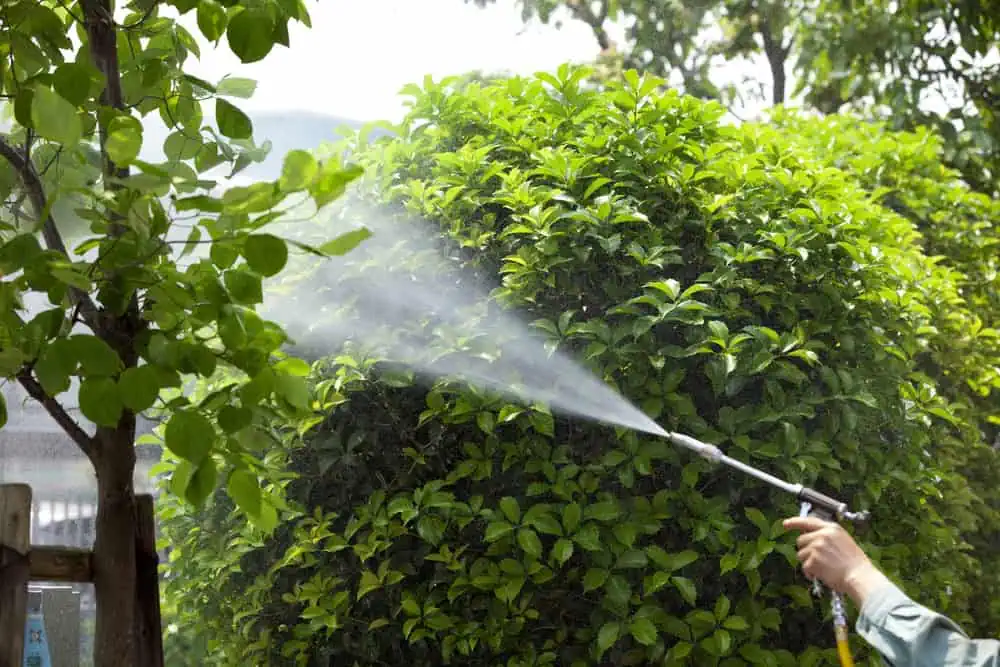
Professional equipment ensures proper coverage and penetration. Commercial-grade sprayers deliver consistent particle size and pressure, allowing treatments to reach deep into vegetation and ground cover where pests actually shelter. This level of coverage is difficult to achieve with consumer equipment.
The cumulative effect builds over multiple seasons. Properties under consistent organic management show progressively better pest control as beneficial insect populations establish and pest breeding sites are continuously disrupted. This long-term approach provides superior results compared to reactive chemical treatments.
Seasonal Timing for Maximum Protection in Suffolk County
Suffolk County’s extended pest season requires carefully timed applications that address different species and life stages throughout the year. Our professional timing strategies account for temperature patterns, precipitation cycles, and pest biology to maximize treatment effectiveness.
Spring applications begin in early April, targeting overwintering tick adults before they become active. These early treatments are critical because they prevent the initial population surge that drives summer infestations. Cedar oil applications during this period also prepare the environment for beneficial insect establishment as temperatures warm.
Peak season management runs from May through August, coinciding with nymph tick activity and maximum mosquito breeding. Treatments during this period occur every three weeks, maintaining consistent pressure on pest populations while they’re most active and dangerous. This frequency ensures that organic compounds remain effective despite weather exposure and natural breakdown.
Late season applications continue through November, addressing adult tick activity that extends well into fall. Many homeowners make the mistake of stopping treatments too early, allowing late-season breeding that contributes to next year’s problems. Our professional programs maintain protection until consistent freezing temperatures end pest activity.
Weather considerations affect application timing and effectiveness. Organic treatments require 12 hours without rain for proper absorption and residual activity. We schedule treatments accounting for weather forecasts, adjusting treatment dates to ensure optimal conditions and maximum effectiveness.
The three-week application cycle balances effectiveness with environmental considerations. This frequency maintains consistent pest pressure while allowing beneficial insects to establish between treatments. More frequent applications can disrupt beneficial species, while longer intervals allow pest populations to recover and reduce overall effectiveness.
Seasonal effectiveness monitoring helps refine timing strategies. Our professional programs track pest activity levels and adjust application schedules based on seasonal variations, weather patterns, and individual property characteristics. This adaptive approach ensures that treatments remain effective as conditions change throughout the year.
Choosing Professional Organic Tick and Mosquito Control Services
Protecting your family from tick-borne diseases while maintaining a healthy outdoor environment requires professional expertise and proven organic methods. The science clearly supports organic approaches for long-term effectiveness and environmental safety.
Your Suffolk County property deserves protection that works with nature rather than against it. Professional organic treatments provide the consistent coverage and expert timing needed to break pest cycles while supporting beneficial insects and soil health. The investment in proper treatment pays dividends through reduced disease risk and enhanced outdoor enjoyment.
When you’re ready to reclaim your outdoor spaces safely and effectively, Jones Tree and Plant Care combines New York State Board Certified Arborist expertise with proven organic pest control methods. Our scientifically-based approach addresses the root causes of pest problems while protecting the environmental health that makes Suffolk County properties so valuable.