Summary:
Why Tree Health Diagnosis Requires Specialized Training
The difference between a certified arborist and a landscaper isn’t just about credentials—it’s about depth of knowledge. While landscapers excel at maintaining lawns and garden beds, tree health diagnosis requires understanding tree biology, disease identification, and pest management at a scientific level.
Certified arborists complete rigorous training in tree pathology and must maintain continuing education to stay current with emerging threats. We’re trained to spot subtle symptoms that indicate serious problems developing beneath the surface.
Your typical “mow and blow” crew focuses on making things look neat. A certified arborist looks for signs of stress, disease, and structural problems that could threaten your property and family safety.
Oak Wilt: The Silent Killer Spreading Through Suffolk County
Oak Wilt has been confirmed in multiple Suffolk County locations, including Islip, Riverhead, and Southold. This fungal disease blocks water transport in oak trees, causing rapid decline and death—particularly in red oak species.
The challenge with Oak Wilt is that early symptoms can look like normal seasonal stress to the untrained eye. Leaves may show slight discoloration or drop earlier than expected. By the time obvious symptoms appear, the tree is often beyond saving.
As certified arborists, we know to look for the specific pattern of leaf drop and discoloration that indicates Oak Wilt. We understand which oak species are most vulnerable and can recommend preventive measures for healthy trees nearby. More importantly, we know that Oak Wilt spreads through root systems and beetle vectors, requiring immediate action to prevent spread to other trees.
General landscapers typically lack this specialized knowledge. They might notice a tree “doesn’t look right” but won’t recognize the urgent threat Oak Wilt poses to your entire landscape. The difference between early detection and late discovery can mean the difference between saving your oak trees and losing multiple mature specimens.
This disease spreads quickly through interconnected root systems, especially in red oak groups. Without proper identification and immediate response, a single infected tree can lead to the loss of an entire grove. The cost of emergency removal for multiple large oaks can easily exceed $10,000—far more than preventive arborist assessment.
Beech Leaf Disease: The Emerging Threat Your Landscaper Won't Recognize
Oak Wilt has been confirmed in multiple Suffolk County locations, including Islip, Riverhead, and Southold. This fungal disease blocks water transport in oak trees, causing rapid decline and death—particularly in red oak species.
The challenge with Oak Wilt is that early symptoms can look like normal seasonal stress to the untrained eye. Leaves may show slight discoloration or drop earlier than expected. By the time obvious symptoms appear, the tree is often beyond saving.
As certified arborists, we know to look for the specific pattern of leaf drop and discoloration that indicates Oak Wilt. We understand which oak species are most vulnerable and can recommend preventive measures for healthy trees nearby. More importantly, we know that Oak Wilt spreads through root systems and beetle vectors, requiring immediate action to prevent spread to other trees.
General landscapers typically lack this specialized knowledge. They might notice a tree “doesn’t look right” but won’t recognize the urgent threat Oak Wilt poses to your entire landscape. The difference between early detection and late discovery can mean the difference between saving your oak trees and losing multiple mature specimens.
This disease spreads quickly through interconnected root systems, especially in red oak groups. Without proper identification and immediate response, a single infected tree can lead to the loss of an entire grove. The cost of emergency removal for multiple large oaks can easily exceed $10,000—far more than preventive arborist assessment.
The Hidden Dangers Landscapers Miss During Routine Maintenance
Beyond specific diseases, certified arborists are trained to spot structural problems and pest issues that general landscapers routinely overlook. Root problems, internal decay, and insect infestations often show subtle signs long before they become obvious.
Professional tree assessment involves examining the entire tree system—from root flare to crown—for signs of stress, damage, or disease. This comprehensive approach catches problems while they’re still manageable, rather than waiting until emergency intervention becomes necessary.
The coastal environment in Suffolk County adds complexity that requires specialized knowledge. Salt spray, strong winds, and rapid weather changes create unique stressors that affect tree health in ways inland properties don’t experience.
Root System Problems: What You Can't See Can Hurt You
Root problems are among the most dangerous tree issues because they’re completely invisible until failure occurs. Girdling roots, root rot, and soil compaction can compromise a tree’s stability without showing obvious above-ground symptoms.
We use specialized tools like air spades to examine root systems non-invasively. This technology allows us to expose and evaluate roots without causing damage, identifying problems that could lead to tree failure during storms.
Root girdling occurs when roots wrap around the trunk or other roots, gradually strangling the tree’s vascular system. This process can take years to become fatal, but early detection allows for corrective action. General landscapers typically have no training in root assessment and lack the specialized equipment needed for proper evaluation.
Soil compaction from construction, foot traffic, or heavy equipment can gradually kill trees by preventing proper root development and water absorption. The symptoms—gradual decline, smaller leaves, reduced growth—develop slowly and can be easily attributed to other factors by untrained observers.
As certified arborists, we understand how to assess soil conditions, evaluate root health, and recommend corrective measures. We know when soil amendments, decompaction, or root collar excavation might save a declining tree. We also recognize when root problems have progressed beyond treatment, requiring removal for safety reasons.
The investment in professional root assessment is minimal compared to the cost of emergency tree removal after failure. A large tree falling on a home can cause tens of thousands of dollars in damage, not to mention the safety risks to your family.
Pest and Disease Interactions: The Complex Web Landscapers Don't Understand
Tree health involves complex interactions between various pests, diseases, and environmental stressors. What appears to be a simple pest problem might actually indicate underlying disease susceptibility or stress factors that require comprehensive treatment.
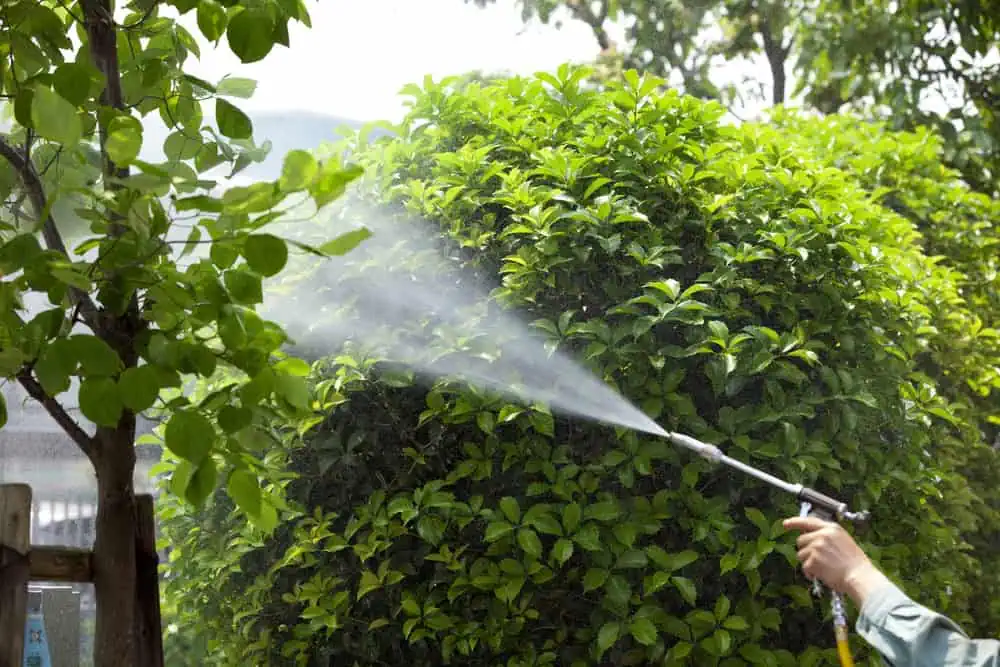
We practice Integrated Pest Management (IPM), a holistic approach that identifies specific threats, establishes monitoring protocols, and selects targeted treatments. This scientific approach contrasts sharply with the “spray and pray” methods that some landscapers employ.
For example, certain pest infestations make trees more susceptible to fungal diseases. Drought stress can increase vulnerability to both pests and pathogens. A tree weakened by root problems becomes an easy target for opportunistic insects and diseases.
Understanding these relationships requires extensive training in tree biology, entomology, and plant pathology. General landscapers typically lack this depth of knowledge and may treat symptoms rather than addressing underlying causes.
The Suffolk County environment presents specific challenges with pests like gypsy moths, root borer beetles, and eastern tent caterpillars that can stress trees and create entry points for diseases. Salt spray from coastal storms can weaken trees’ natural defenses, making them more vulnerable to various threats.
We can assess the complete picture—identifying not just current problems but also predisposing factors and potential future issues. This comprehensive approach leads to more effective treatment and better long-term tree health outcomes.
Protecting Your Suffolk County Trees with Professional Diagnosis
Your trees are valuable assets that contribute to your property value, energy efficiency, and quality of life. Protecting them requires more than basic maintenance—it demands the specialized knowledge that only certified arborists provide.
The difference between professional tree health diagnosis and general landscaping isn’t just about catching problems early. It’s about understanding the complex relationships between tree biology, local environmental conditions, and emerging threats specific to Suffolk County.
When you’re ready to ensure your trees receive the expert care they deserve, we provide the certified arborist expertise your property needs. Don’t wait for obvious symptoms to appear—professional assessment can identify and address problems while they’re still manageable.