
Summary:
Understanding Tick Control Life Cycle Disruption for Maximum Impact
Timing isn’t just important for deer tick spraying—it’s everything. Most property owners spray reactively, after they’ve already discovered ticks on their family or pets. We understand that the most effective window occurs during specific life stages when populations are vulnerable.
The science is clear: targeting nymphal ticks in mid-May through mid-June delivers maximum impact. During this critical stage, ticks are actively seeking hosts but haven’t yet reproduced. Miss this window, and you’re dealing with exponentially larger populations throughout Suffolk County’s peak outdoor season.
This strategic approach to tick control life cycle disruption separates professional services from basic pest control. It’s about precision, not just power.
Acaricide Timing IPM: Why Spring Treatments Break Reproduction Cycles
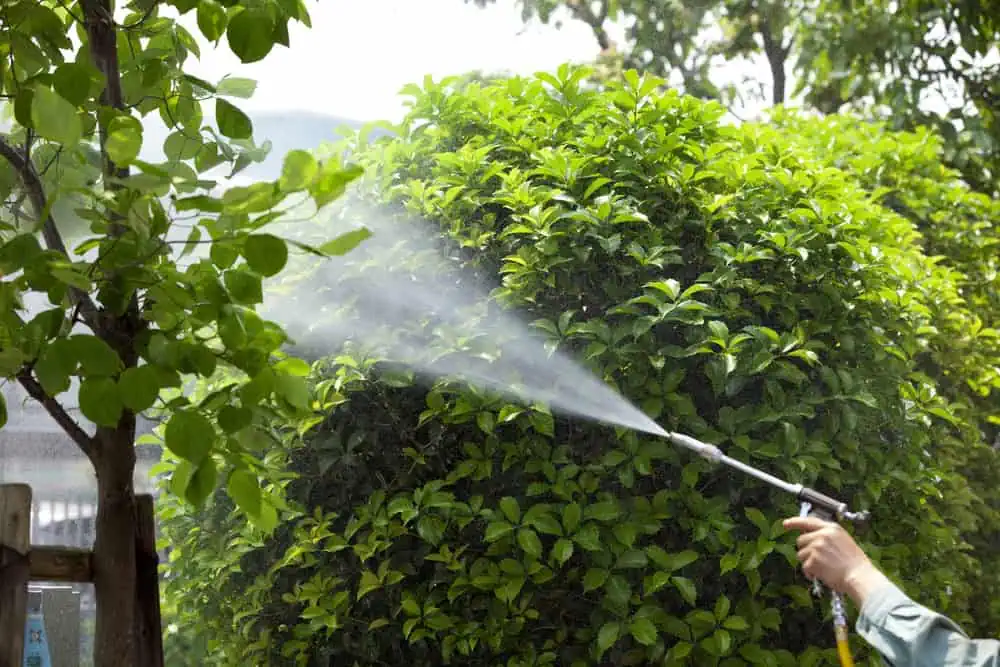
Spring deer tick spraying isn’t about killing every tick on your Suffolk County, NY property—that’s impossible and unnecessary. Instead, strategic acaricide timing focuses on breaking reproduction cycles before they accelerate into unmanageable infestations.
When we target overwintered larvae and emerging nymphs in early spring, we’re intercepting the next generation before it establishes. This integrated pest management approach reduces tick populations by up to 90% through the peak outdoor season, when your family spends the most time enjoying your landscape.
The key lies in understanding local Suffolk County conditions. Our humid climate and dense vegetation create ideal breeding conditions, but they also make tick behavior predictable. We use this predictability to time acaricide applications when ticks are most vulnerable and least likely to recover quickly.
Our certified tick treatment strategies depend on environmental factors like temperature, humidity, and vegetation density. We adjust methods and timing based on your specific property conditions, ensuring treatments reach critical tick habitats in wooded edges, stone walls, and ornamental gardens where populations concentrate most heavily.
Non-Chemical Tick Management: The Foundation of Lasting Control
Spring deer tick spraying isn’t about killing every tick on your Suffolk County, NY property—that’s impossible and unnecessary. Instead, strategic acaricide timing focuses on breaking reproduction cycles before they accelerate into unmanageable infestations.
When we target overwintered larvae and emerging nymphs in early spring, we’re intercepting the next generation before it establishes. This integrated pest management approach reduces tick populations by up to 90% through the peak outdoor season, when your family spends the most time enjoying your landscape.
The key lies in understanding local Suffolk County conditions. Our humid climate and dense vegetation create ideal breeding conditions, but they also make tick behavior predictable. We use this predictability to time acaricide applications when ticks are most vulnerable and least likely to recover quickly.
Our certified tick treatment strategies depend on environmental factors like temperature, humidity, and vegetation density. We adjust methods and timing based on your specific property conditions, ensuring treatments reach critical tick habitats in wooded edges, stone walls, and ornamental gardens where populations concentrate most heavily.
Certified Tick Treatment Strategies: Beyond Basic Deer Tick Spraying
Professional tick control in Suffolk County, NY isn’t about applying the strongest chemicals available. We use integrated pest management protocols that combine multiple strategies for maximum effectiveness with minimal environmental impact—protecting your family and your landscape investment.
The difference lies in precision and expertise. Rather than blanket treatments, we target specific areas where ticks concentrate: woodland edges, stone walls, ornamental plantings, and transition zones between different landscape features. This targeted approach delivers superior results while using fewer chemicals and protecting beneficial insects.
Host Management and Biological Controls for Suffolk County Properties
Ticks don’t just appear randomly on your Suffolk County property—they arrive on hosts. Effective certified tick treatment strategies address this reality through strategic host management and biological controls that work with natural systems rather than against them.
Deer and rodents are the primary carriers bringing ticks onto residential properties throughout Suffolk County, NY. Our professional programs include strategies for reducing host attractiveness: removing food sources, installing physical barriers, and using biological controls that target ticks on their hosts rather than broadcasting chemicals across your entire landscape.
Rodent bait boxes represent one of the most effective non-spray approaches for integrated pest management. These devices attract mice and other small mammals with food or nesting material, then dose them with tick-killing compounds that are harmless to the animals but lethal to attached ticks. This approach targets ticks where they feed and reproduce, breaking the cycle without environmental broadcast applications.
Beneficial nematodes offer another biological control option that works exceptionally well in Suffolk County’s climate. These microscopic worms seek out and kill tick larvae in soil environments, providing season-long suppression without chemical residues. When applied correctly by our trained professionals, nematodes can reduce tick populations by 50-60% while supporting overall soil health and landscape vitality.
Environmental Monitoring and Adaptive Deer Tick Spraying Programs
The most effective tick control programs adapt to changing conditions throughout Suffolk County’s active tick season. This requires ongoing monitoring and adjustment—something that separates our professional certified arborist services from basic pest control companies that follow rigid spray schedules.
Environmental conditions significantly affect tick behavior and treatment effectiveness. Temperature, humidity, rainfall, and vegetation growth all influence when and where ticks are active on your property. We monitor these factors and adjust acaricide timing, application methods, and target areas accordingly for optimal results.
Property inspections reveal how tick populations respond to integrated pest management treatments and identify areas needing additional attention. This might involve adjusting habitat modifications, adding targeted deer tick spraying to newly identified hot spots, or modifying the overall strategy based on observed results and changing conditions.
Our adaptive approach also considers beneficial insects and environmental impact. We monitor for signs of stress in non-target species and adjust methods to minimize collateral effects. This ensures that tick control doesn’t compromise the broader ecosystem health that supports long-term landscape vitality and property value.
Documentation and tracking allow for continuous improvement in certified tick treatment strategies. We maintain detailed records of treatment dates, methods used, environmental conditions, and observed results. This data informs future decisions and helps refine our approach for maximum effectiveness with minimal environmental impact.
Professional Deer Tick Spraying: Your Suffolk County Protection Strategy
Effective tick control in Suffolk County, NY requires more than seasonal spraying—it demands understanding of pest biology, landscape ecology, and integrated management strategies that protect your family while preserving your property’s environmental health and long-term value.
The difference between basic pest control and our professional certified arborist services lies in expertise, approach, and results. We understand how tick populations interact with landscape features, seasonal cycles, and environmental conditions to create comprehensive protection strategies that work.
When you’re ready to move beyond reactive treatments to proactive tick management that actually works, Jones Tree and Plant Care brings the certified expertise and integrated pest management approach that creates lasting results for Suffolk County properties.