Summary:
High-Pressure Tree Spraying Systems: Power and Penetration
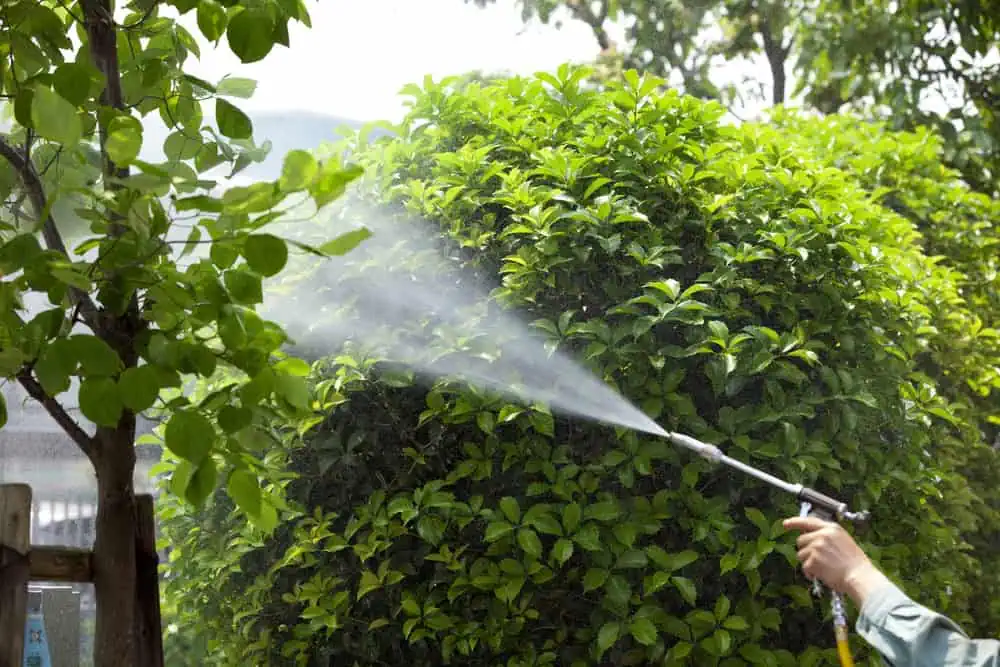
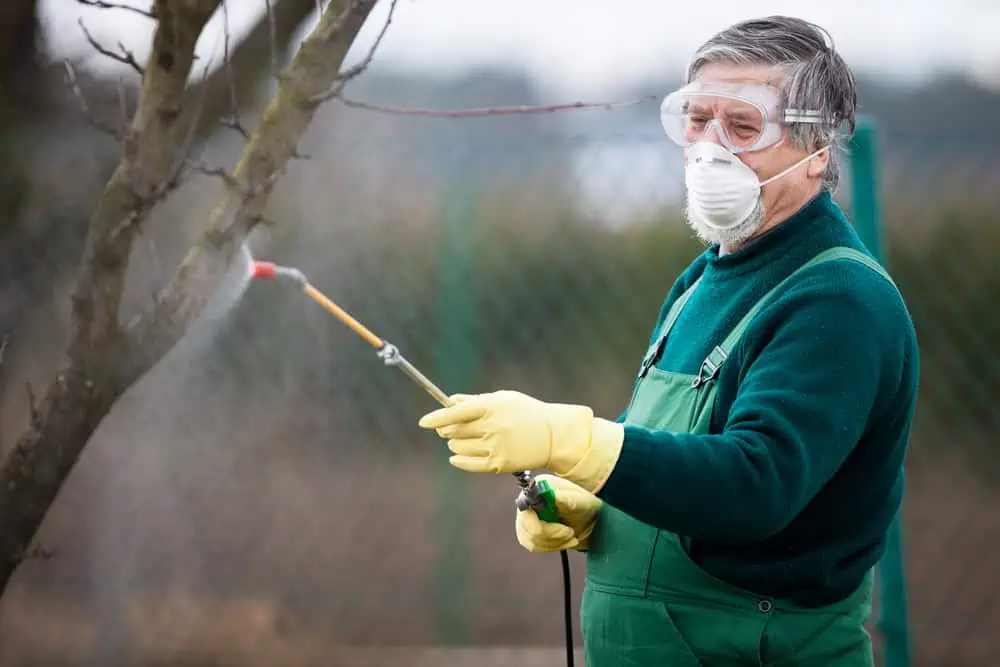
High-pressure systems solve the fundamental challenge of getting treatment deep into dense canopies where problems actually start. Operating at 350 to 800 PSI, these systems create enough force to push spray through multiple leaf layers and reach interior branches where pests hide and diseases take hold.
The pressure does something critical that low-pressure alternatives can’t match—it breaks spray into smaller droplets that penetrate rather than just coat surfaces. When you’re dealing with a mature oak suffering from scale insects or a hemlock under attack from woolly adelgid, surface treatment isn’t enough. This same principle applies when performing tick yard treatment around heavily wooded properties.
Tree Canopy Penetration Rates: What Actually Reaches Your Target
Here’s what most property owners don’t realize: canopy penetration rates determine treatment success more than chemical choice. Research shows that properly calibrated high-pressure systems achieve 28% penetration into middle-canopy layers, while low-pressure alternatives manage only 3.5%.
Those numbers matter when you’re treating real problems. Spotted lanternfly nymphs cluster on interior branches where they’re protected from casual spraying. Scale insects establish colonies in bark crevices that surface treatments can’t reach. Dutch elm disease spreads through vascular systems that require systemic treatment.
The physics work in your favor with high-pressure systems. Droplets in the 30- to 80-micron range provide maximum coverage with minimal waste. Smaller droplets carry enough momentum to push through outer foliage and deposit treatment where it’s actually needed.
Wind becomes less of a factor too. Suffolk County’s coastal breezes that scatter low-pressure applications don’t significantly affect properly pressurized spray streams. You can treat trees effectively even when conditions would make other approaches impossible.
But penetration depends on more than just pressure numbers. Nozzle selection, spray angle, and operator technique all influence how deeply treatment reaches into canopies. Professional arborist-grade spray equipment coordinates these factors for consistent results.
Professional Equipment vs Consumer-Grade Limitations
Here’s what most property owners don’t realize: canopy penetration rates determine treatment success more than chemical choice. Research shows that properly calibrated high-pressure systems achieve 28% penetration into middle-canopy layers, while low-pressure alternatives manage only 3.5%.
Those numbers matter when you’re treating real problems. Spotted lanternfly nymphs cluster on interior branches where they’re protected from casual spraying. Scale insects establish colonies in bark crevices that surface treatments can’t reach. Dutch elm disease spreads through vascular systems that require systemic treatment.
The physics work in your favor with high-pressure systems. Droplets in the 30- to 80-micron range provide maximum coverage with minimal waste. Smaller droplets carry enough momentum to push through outer foliage and deposit treatment where it’s actually needed.
Wind becomes less of a factor too. Suffolk County’s coastal breezes that scatter low-pressure applications don’t significantly affect properly pressurized spray streams. You can treat trees effectively even when conditions would make other approaches impossible.
But penetration depends on more than just pressure numbers. Nozzle selection, spray angle, and operator technique all influence how deeply treatment reaches into canopies. Professional arborist-grade spray equipment coordinates these factors for consistent results.
Low-Volume Precision: Targeted Pest Application Technology
Low-volume systems approach tree treatment from a completely different angle—precision over power. Instead of overwhelming problems with high-pressure force, these systems focus on delivering exactly the right amount of treatment exactly where it’s needed most.
This targeted pest application technology typically operates at much lower pressures but compensates through advanced delivery methods like air assistance, electrostatic charging, or direct injection. The goal shifts from penetrating canopies through brute force to placing treatment with surgical precision.
Tree Injection: Direct Vascular System Treatment
Tree injection represents the most precise low-volume approach available today. Instead of hoping chemicals penetrate from outside surfaces, injection delivers treatment directly into the tree’s vascular system where it’s immediately distributed throughout the entire plant.
The process involves drilling small holes into the trunk and injecting measured doses of pesticides, fungicides, or nutrients directly into the xylem. Your tree’s natural circulation system then carries the treatment from roots to crown within minutes—something that would take weeks or months with traditional absorption methods.
This approach solves several problems that make traditional spraying frustrating for Suffolk County property owners. There’s no drift onto neighboring properties, no runoff into storm drains, and no exposure risk to children or pets playing nearby. The treatment stays exactly where you put it.
Weather independence gives you flexibility that spraying can’t match. While traditional applications require calm, dry conditions that might not occur for days or weeks, injections work in rain, wind, or any other weather conditions. You can schedule treatments when convenient rather than when conditions allow.
The longevity advantage often surprises property owners. A single injection typically provides 12 to 24 months of protection, compared to spray treatments that might require reapplication every 4 to 6 weeks during active growing seasons. The math works strongly in favor of injection for ongoing pest management.
Treatment precision allows for targeted approaches that aren’t possible with broadcast spraying. You can treat individual trees showing early disease symptoms without affecting healthy neighbors, or apply preventive treatments to high-value specimens without treating the entire landscape.
Air-Assisted Systems: Combining Volume and Precision
Air-assisted spraying bridges the gap between high-pressure and low-volume approaches by using controlled airflow to transport precisely sized droplets deep into tree canopies. These systems generate powerful air streams that displace stagnant canopy air and create pathways for treatment penetration.
The physics work differently than pressure-based systems. Instead of forcing chemicals through foliage, air assistance carries droplets around and through obstacles, depositing treatment on surfaces that would remain untreated with traditional methods. The airflow also opens up canopy structure, exposing hidden leaf surfaces to treatment.
Professional air-assisted systems generate enough airflow to completely displace the air volume within large tree canopies. For a typical 50-foot Suffolk County oak, that means moving approximately 25,000 cubic feet of air—a substantial undertaking that requires significant equipment and expertise.
Droplet size control becomes even more critical with air assistance. The airflow can carry very fine droplets deep into canopies, but those same fine droplets are also more susceptible to drift and evaporation. Professional operators carefully balance droplet size, air velocity, and chemical concentration to optimize coverage while minimizing waste.
These systems excel in situations where environmental sensitivity requires precise application. They’re particularly effective for treating properties with sensitive areas like vegetable gardens, beehives, or water features where drift from traditional spraying could cause problems.
The equipment investment for effective air-assisted systems typically exceeds high-pressure alternatives, but the precision and reduced chemical usage often justify the cost for properties with valuable or sensitive landscapes.
Making the Right Equipment Choice for Suffolk County Properties
Your decision between high-pressure and low-volume tree spraying systems should align with your specific challenges, property characteristics, and long-term tree health goals. High-pressure systems excel at treating large numbers of trees efficiently and penetrating dense canopies, while low-volume methods offer precision, environmental safety, and often longer-lasting results.
Suffolk County’s unique coastal environment often favors precision approaches that aren’t affected by wind conditions or salt spray. Properties with mature specimen trees, sensitive environmental areas, or ongoing pest pressure typically benefit from injection or air-assisted systems that deliver targeted, long-lasting protection.
The expertise behind the equipment matters as much as the technology itself. We combine certified arborist knowledge with professional-grade equipment to ensure your trees receive the most effective treatment for their specific needs and your property’s unique conditions.